We recently looked at the homepages of 8 different accountants from around the UK. Here’s what greeted us on each one:
- Expert Accountants In Sandhurst
- Professional & Friendly Accounting Services in Fleet
- Exceptional Accountancy Services in Whitstable
- Expert Accounting Services in Ramsgate
- Small Business & Tax Accountants in Shropshire
- Chartered Accountants Plymouth
- Accountants In Matlock
- Your Local Professional Accountants in Plymouth
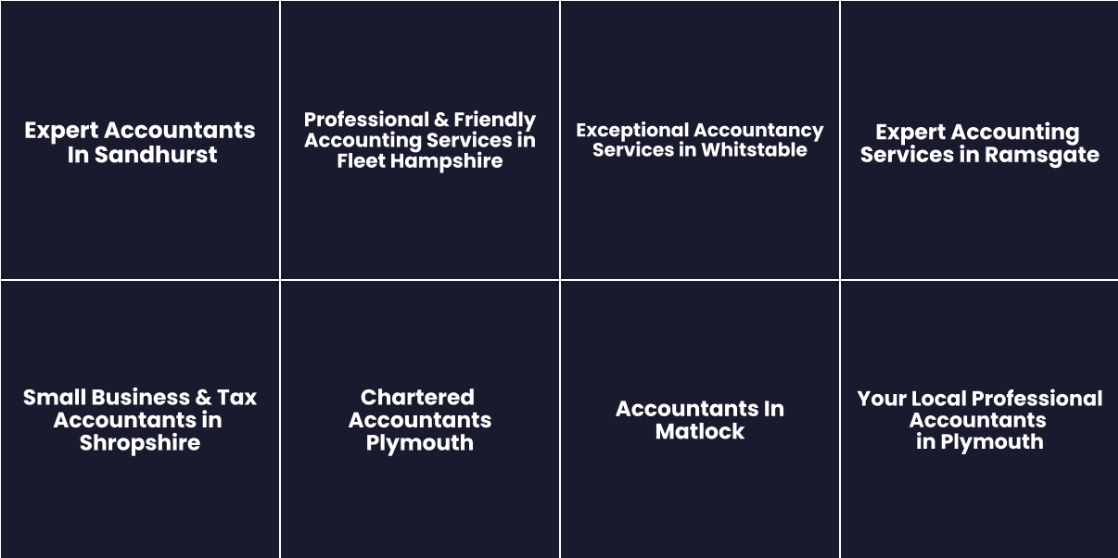
Eight firms, eight towns, one sentence really: “[Adjective] Accountants in [Place].”
None of that is wrong exactly. They probably are expert, professional and local. But it doesn’t tell a visitor anything, and it definitely doesn’t tell them why they should keep reading rather than hit the back button and try the next search result.
This isn’t an accountant problem. We see it on small business homepages in every industry. It happens because most businesses write their headline about themselves, when it should be about the person reading it.
There’s a simple way to fix this, and it comes from a framework called StoryBrand.
What this looks like in practice
A StoryBrand-style headline usually does one of two things: it names the visitor’s problem, or it names the result they want. Either way, it puts them at the centre.
Compare:
Before: Expert Accountants In Sandhurst
After: Never worry about a tax deadline again
Before: Small Business & Tax Accountants in Shropshire
After: More time running your business, less time on the books
Before: Chartered Accountants Plymouth
After: One fixed monthly fee. No surprise bills.
Notice none of these need the word “expert” to sound credible. They sound credible because they’re specific, and specific things are harder to fake. Anyone can claim to be professional. Not everyone can promise a fixed monthly fee with no surprises.
A simple formula to steal
If you want a quick way to test or rewrite your own headline, try this structure:
“[Outcome your customer wants], without [the thing they’re worried about].”
A few examples:
“Get paid on time, without chasing invoices yourself”
“A website that brings in enquiries, without the tech headache”
“Confidently ready for your accountant, without doing your own books”
Read your current headline back and ask yourself one question: could any of your competitors say this exact sentence? If the answer is yes, it’s not pulling its weight. It’s describing a category, not a business.
Why this matters more than it seems
Your headline is the first thing a visitor reads, usually within the first 3 seconds on your site. In that time, it’s either doing the job of making them think “that’s for me, keep reading” or it isn’t. There’s no neutral outcome here. A vague, adjective-heavy headline doesn’t just fail to help, it actively gives someone a reason to leave.
This is one small change, but it’s one of the highest-leverage changes you can make to a website. You don’t need a redesign to fix it. You need about twenty minutes and a willingness to stop writing about yourself for a moment.
Want a second opinion on yours?
If you’d like a hand applying this to your own homepage, drop us a message. We’re always happy to take a look at a headline and give you our honest, no-nonsense take on whether it’s working as hard as it should be.